MULOMA HERITAGE CENTER
ST. HELENA ISLAND, SOUTH CAROLINA
A place where land, food, memory, and the African Atlantic come together.
Muloma Heritage Center
Muloma Heritage Center is a living cultural institution dedicated to preserving, practicing, and advancing African Atlantic foodways through land stewardship, agriculture, culinary arts, education, research, and cultural exchange.
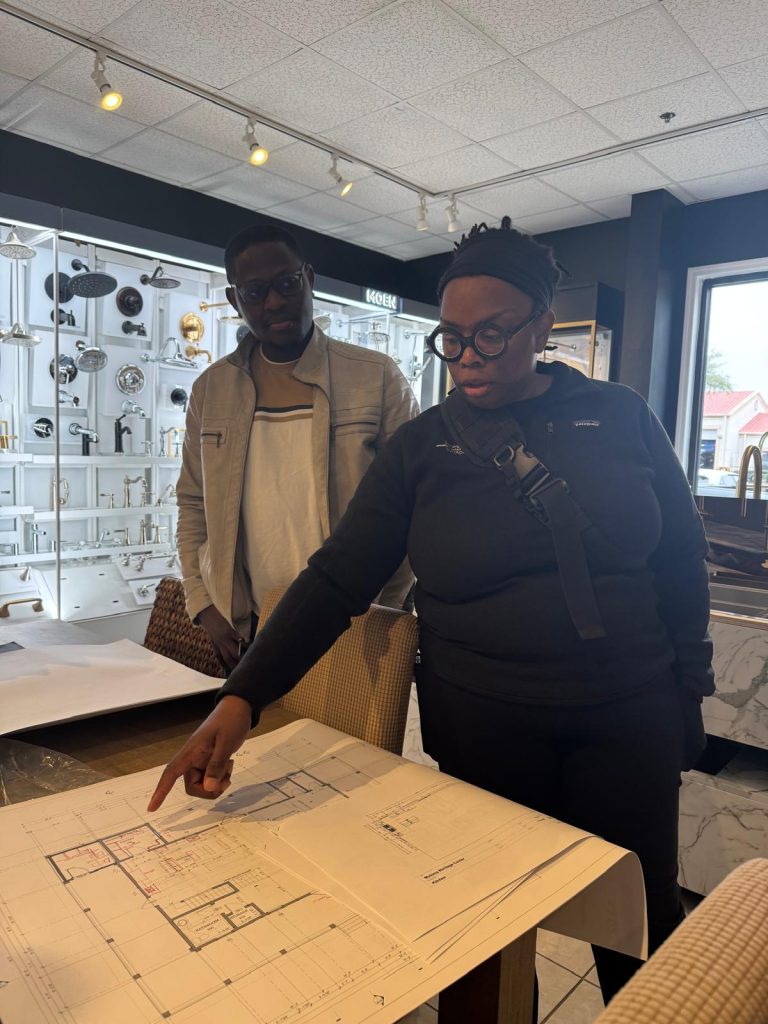
As a co-founder and leader of Muloma, Adrian Lipscombe brings together her work in food, planning, design, agriculture, and community development to help create a place where history is not simply interpreted—it is practiced.
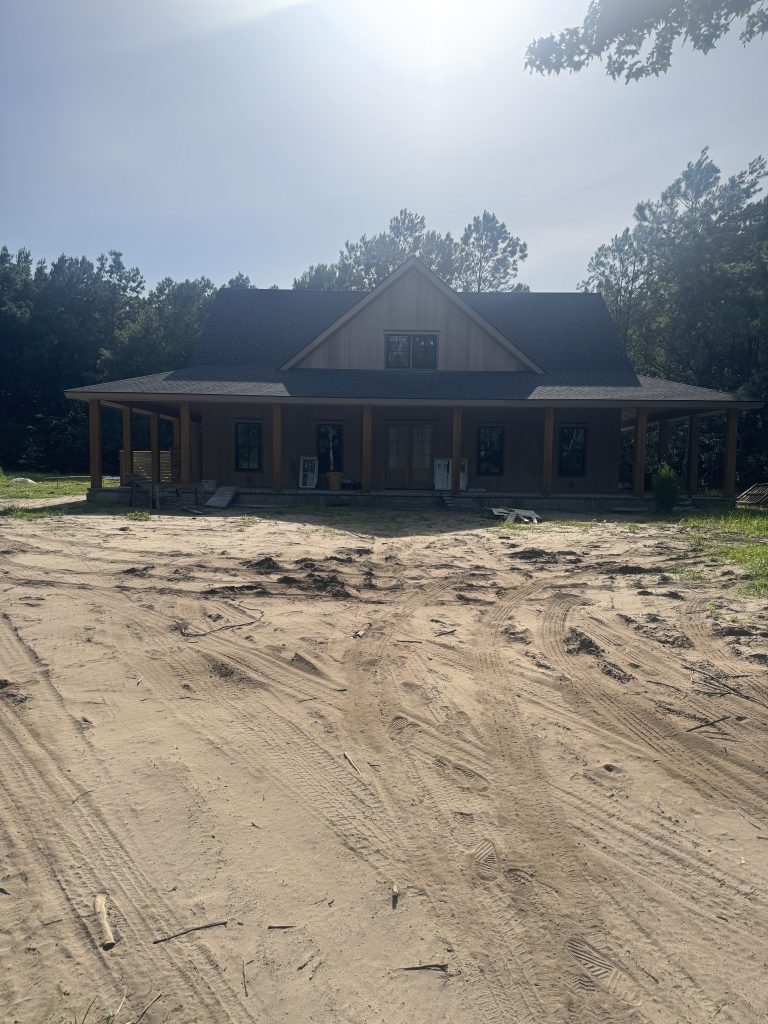
Located on St. Helena Island, South Carolina, Muloma examines the connections between Africa, the Caribbean, the American South, and the broader African Atlantic world through the foods people grew, prepared, preserved, shared, and carried with them.
The Work
Muloma is being developed as more than a museum or heritage site. It is a working landscape where food becomes a way to understand land, migration, memory, resilience, and cultural exchange.
The work brings together historic foodways, agriculture, live-fire cooking, preservation, archives, education, and the stewardship of culturally significant landscapes.
Through its kitchens, fields, educational programs, gatherings, and research, Muloma creates opportunities for chefs, farmers, scholars, students, cultural practitioners, and community members to learn from one another and participate directly in the preservation of African Atlantic foodways.
Adrian's Role
Adrian's work at Muloma sits at the intersection of her professional disciplines.
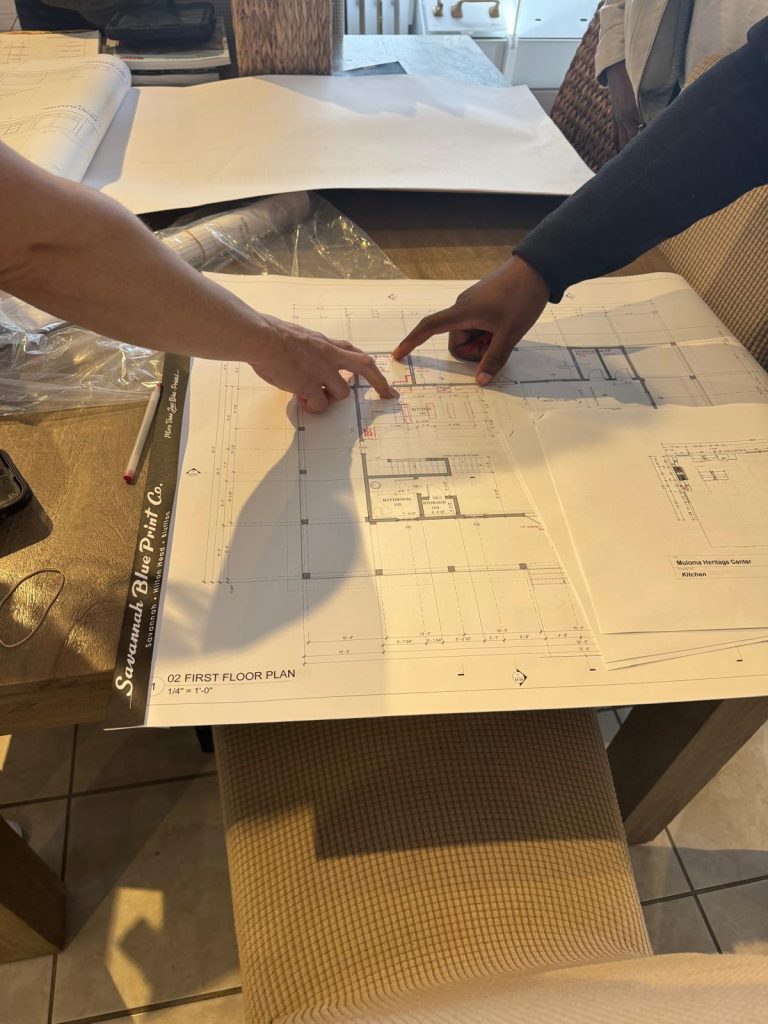
As one of the founders, she uses her background in architecture and community planning informs how the land, buildings, circulation, programming, and visitor experience work together. Her culinary practice and foodways research inform how kitchens, agriculture, ingredients, fire, and food become tools for education and cultural preservation.
The result is an approach to place-making in which the land, buildings, food, and stories function as one interconnected cultural landscape.
The Impact
Muloma demonstrates what cultural preservation can become when it moves beyond the archive and returns knowledge to the land.
It creates a place where agricultural knowledge can be practiced, culinary traditions can be taught, historical narratives can be expanded, and future generations can develop new relationships with food, land, and cultural memory.
The work also supports a larger question that runs throughout Adrian's practice:
How can the places we build, the land we steward, and the food we share preserve culture while creating opportunities for the future?